A great braai can turn on one small decision made hours earlier: do you reach for the wet stuff or the spice tin? Wet marinade versus dry rub is not a battle with one winner. It is about the texture you want, the cut on the fire and how much time you have before everyone starts asking when the chicken is ready.
A marinade brings moisture, acidity and sauce-led flavour. A dry rub brings a proper crust, concentrated seasoning and less drama when meat hits the grid. Both can make a meal sing. The trick is knowing which one suits tonight’s plate.
Wet Marinade Versus Dry Rub: The Real Difference
A wet marinade is a liquid or paste applied before cooking. It usually combines oil, acid, salt, aromatics and spices. Think lemon, garlic, fresh chilli, herbs and a good peri-peri sauce. It clings to chicken pieces, works its way into nooks and crannies, and gives food a glossy, bold finish.
A dry rub is a blend of dried spices, salt, sugar and herbs that is pressed directly onto the surface. It seasons the outside and helps build that deeply savoury, slightly crisp bark that makes a steak or lamb chop disappear before the side dishes are served.
Here is the useful truth: neither a marinade nor a rub instantly seasons meat all the way to the centre. Flavour compounds mostly stay near the surface. Salt has more time to travel in, which is why resting a seasoned cut matters. The big difference is what happens on the outside when heat arrives.
Marinades make a meal taste saucy, bright and aromatic. Rubs create a more intense, roasted spice character. One is not better. It depends whether you want finger-licking glaze or a beautiful crust.
Choose a Wet Marinade When You Want Bold, Juicy Flavour
Wet marinades are especially good with chicken, pork, firm fish and vegetables that can handle a coating of flavour. They are also the easy answer when you want a restaurant-style peri-peri meal without making a long list of ingredients do the hard work.
Chicken loves a marinade because it has a mild flavour and plenty of surface area. Wings, drumsticks, thighs and spatchcock chicken all benefit from chilli, garlic, lemon and oil. The marinade fills every score, fold and edge, giving you flavour in each bite rather than just a spicy dusting on top.
Acidic ingredients such as lemon juice and vinegar add brightness, but do not leave delicate proteins in a sharp marinade all day. Fish and prawns can become soft or chalky if they sit in too much acid. Give seafood 15 to 30 minutes, then cook it quickly. Chicken can take two to 12 hours depending on the recipe, while a sturdy pork cut can happily sit longer.
A wet marinade also earns its place when you are cooking over slightly unpredictable coals. Oil and moisture offer a little protection against drying out, particularly for boneless chicken breasts. That said, a marinade is not a force field. Overcooked chicken is still overcooked chicken, so keep an eye on the fire and move pieces away from direct heat if they start catching too quickly.
The trade-off is caramelisation. Wet surfaces steam before they brown, and sugary marinades can blacken before the inside is cooked. Pat off excess marinade before grilling, especially on steaks or chicken portions over fierce coals. You want a thin, flavourful coating, not a puddle feeding the flames.
Pick a Dry Rub for a Proper Braai Crust
Dry rubs shine when the meat itself deserves centre stage. A thick steak, lamb chops, ribs, boerewors patties and even cauliflower steaks can carry a punchy spice crust without being masked by a wet sauce.
Press the rub firmly onto lightly oiled meat and let it stand before cooking. Even 30 minutes makes a difference. Salt begins to season beneath the surface, while spices settle into the exterior. On the braai, the rub toasts in the rendered fat and creates layers of flavour: smoky, savoury, peppery and, if there is sugar involved, lightly caramelised.
A dry rub gives you better browning because the surface starts drier. That is the route to those dark, flavour-packed edges. It is also tidier. No dripping marinade, no sudden flare-up, no sauce sliding straight through the grid before it has met the food.
Sugar needs a little care. It is brilliant for ribs and chicken cooked over indirect heat, where it can slowly caramelise. Over very hot coals, though, it can go from glossy to bitter in a flash. If your rub is sweet, cook more gently or finish with it towards the end.
For a steak, keep it simple. Salt, pepper, garlic and a touch of chilli are often enough. A thick, complicated rub can overpower good beef and scorch on the outside. Save the bigger flavour profile for cuts that cook longer or need more help, such as ribs, chicken and pork shoulder.
Timing Matters More Than Most People Think
If the fire is already lit and guests are arriving, a dry rub is your friend. Season, rest briefly, then braai. A wet marinade can still work in 20 to 30 minutes, particularly with thin chicken strips, kebabs or vegetables, but it will not taste the same as meat given a few hours to absorb the seasoning around its surface.
For planned meals, marinate chicken for a few hours and turn it once or twice so every piece gets its fair share. With fish, prawns and thin-cut meat, keep the time short. With a rub, give salt time where possible, then cook when the surface is no longer damp.
There is one safety rule worth keeping front and centre: never use marinade that has touched raw meat as a finishing sauce unless you boil it thoroughly first. Better yet, reserve a clean portion before the meat goes in. Brush it on near the end or serve it at the table for an extra hit of heat.
Can You Use Both?
Absolutely. This is where things get properly tasty.
Marinate chicken in a peri-peri base, then lift it out and add a light dusting of braai spice just before it goes onto medium coals. The marinade brings lemony chilli depth; the rub gives the outside a little more body and colour. Do not pile on both with a heavy hand, especially if each contains salt. Fire should wake up the food, not leave everyone hunting for water.
Another smart move is to use a dry rub before cooking and a sauce afterwards. Rubbed ribs or chops get their crust on the grill, then receive a brush of sauce in the final minutes. This keeps the sauce fresh and bright while avoiding a burnt sugar situation.
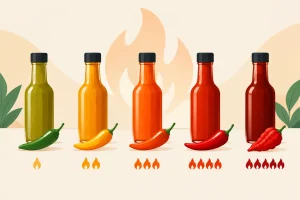
Calisto’s makes this easy to play with: start at Mild if you are feeding a mixed table, then put a hotter sauce alongside for the brave souls who treat Extra Hot as a personality trait. Since 1992, the family table has had room for both.
Match Your Method to the Meal
For chicken wings, thighs and kebabs, choose a wet marinade when you want juicy, sticky, peri-peri flavour. For steaks and lamb chops, reach for a dry rub to protect the meat’s character and build a crust. For prawns and fish, a short, light marinade is usually best, followed by quick cooking over clean, hot coals.
For ribs, either route can work. A dry rub is the classic choice for a slow, smoky bark. A wet marinade works if you prefer a glossy, saucy finish. If you cannot choose, rub first, cook low and steady, then brush with sauce near the end.
Vegetables deserve the same attention. Mushrooms, mielies, aubergine and peppers take a wet marinade beautifully. Potatoes, corn and cauliflower can handle a dry spice coating with a little oil. The goal is not to follow rules for the sake of it. It is to make every plate worth passing around the table.
Pick your fire according to the meal, give the food the time it needs, and keep a little extra sauce or spice nearby. At a good braai, there is always someone who wants just one more bite – and someone else who wants it hotter.