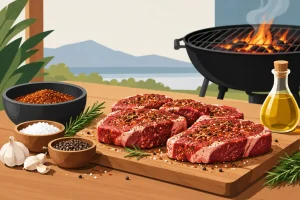
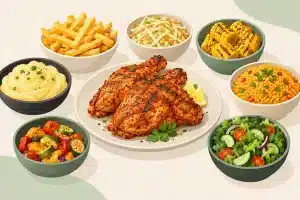
A chicken braai is already on the go. The garlic is chopped, the coals are behaving for once, and somebody reaches for a bottle of sauce. That is the moment a good sauce heat comparison earns its place at the table. Not every chilli lover wants the same burn, and not every meal needs to arrive breathing fire.
The best peri-peri sauce is not automatically the hottest one. It is the one that gives your food the right lift of chilli, lemon, garlic and Portuguese-inspired flavour without flattening everything else on the plate. Whether you are feeding little ones, serving seafood, or testing the limits of your mate who says they can handle anything, choosing your heat properly changes the meal.
Sauce heat comparison: what heat really means
Heat is only one part of a sauce. Chilli brings a physical sensation, but the recipe determines how that heat lands. Fresh chilli can feel bright and quick. A sauce with garlic, lemon and a little sweetness may round out the edges. A thicker marinade clings to chicken and builds heat as you eat, while a lighter table sauce can give each bite a sharp, lively kick.
That is why a number on the Scoville scale cannot tell the whole story. Scoville units measure the heat potential of peppers, not the full experience of a finished sauce. The amount you use, the fat in the dish, whether the sauce has been cooked, and even how hungry you are can make the same bottle feel very different.
A useful heat meter gives you a more practical answer: how fiery will this taste in your actual food? Calisto’s uses four clear levels, from Mild to Extra Hot, so you can choose with confidence rather than gambling with supper.
Start with the meal, not your bravado
Before picking your fire, think about what is cooking. Delicate fish, creamy sides and a fresh salad can be overwhelmed by an aggressive sauce. Charred chicken, beef ribs and a loaded roll can carry more heat because fat, smoke and salt create a bigger flavour base.
There is also a difference between sauce used as a marinade and sauce used at the table. A hot marinade has time to work into the food, so it may taste more integrated after cooking. A hot finishing sauce stays direct and punchy. If you are unsure, marinate at a lower heat level and put a hotter bottle on the table for the brave people. Everybody wins, including the person who does not want to spend the evening hunting for yoghurt.
Mild: flavour first, gentle warmth
Mild is not a consolation prize. It is where peri-peri can show off its citrus, garlic and savoury depth with a soft chilli glow behind it. Choose it for family meals, chicken wraps, chips, pasta bakes, potato salad and creamy dips. It is also a clever base sauce when guests have mixed heat preferences.
For cautious eaters, Mild is the best place to begin. Use it generously as a marinade, stir it through mayonnaise, or brush it over chicken near the end of a braai. You get real flavour without turning every mouthful into a dare.
Medium: the everyday all-rounder
Medium is often the bottle that disappears fastest. It has enough heat to announce itself, yet still leaves space for the food to taste like food. Think roast chicken, beef burgers, boerewors rolls, grilled halloumi, prawns and weekday stir-fries.
If your household has one person who loves chilli and another who is still building confidence, Medium is a fair compromise. Put it into the cooking, then let the heat seekers add more at the table. That approach makes one meal feel personalised without preparing three separate dinners.
Hot: for a proper peri-peri kick
Hot is where the fire becomes a feature, not just a background note. It suits smoky braai meat, wings, lamb chops, steak sandwiches and bold seafood dishes. The burn should arrive with the flavour, not erase it. If all you can remember is pain, the sauce was not doing its job.
Use Hot with a little more intention. Start with a smaller amount in a marinade or glaze, particularly if the dish will reduce on the heat, as concentrated sauce can taste hotter. Pair it with cooling sides such as slaw, creamy pap, rice or a yoghurt-based dip. That is not cheating. It is good table planning.
Extra Hot: respect the bottle
Extra Hot is for people who actively want a serious chilli experience. It is brilliant on wings, pulled chicken, burgers and braai platters where strong flavours can stand their ground. It is also ideal as a finishing sauce, because a few drops can transform a single portion without making the whole pan too hot.
The trade-off is simple: Extra Hot can dominate delicate dishes and is harder to reverse once stirred through. Add gradually, taste, then add again. Keep a less fiery option nearby for everyone else. Chilli confidence is admirable; making your guests suffer is not a hosting strategy.
How to build your tolerance without missing the flavour
There is no medal for jumping from Mild straight to Extra Hot. A better route is to spend time at each level and notice what you enjoy. Medium might be your perfect everyday heat, while Hot could be reserved for wings and weekend braais. Your preference can also change by dish, season and company.
Try the same sauce style across different meals. Use Mild or Medium on chicken one night, then move up a level on a beef burger or smoky kebab the next. Foods with fat and starch soften chilli, while acidic or very light dishes can make it seem more immediate. A heat level that feels easy with chips may feel far fiercer on a plain grilled fillet.
If you do overshoot, reach for dairy, bread, rice or something creamy rather than plain water. Water spreads chilli oils around your mouth, which is a dramatic lesson nobody needs during supper. A spoonful of yoghurt or a bite of bread is usually a kinder recovery plan.
Make one table work for everyone
A family table does not need one universal heat setting. In fact, a small range of sauces makes meals more generous. Use a gentle sauce in the main cook, place Medium and Hot beside the serving platter, and reserve Extra Hot for the chilli champions. It turns a standard chicken dinner into a choose-your-own-fire situation.
This is especially useful at a braai. Brush chicken pieces with Mild or Medium while they cook, then serve sauces in separate bowls for dipping, drizzling and mixing. Guests can tailor their plates, and the cook does not have to guess who secretly finds black pepper intimidating.
A Heat Box is handy here too. It lets you keep a spread of levels ready for marinades, burgers, seafood and the inevitable late-night chip run. More importantly, it gives you a chance to find the bottle that belongs in your regular rotation.
A final check before you pick your sauce
Ask yourself three quick questions: what am I cooking, who is eating, and do I want a background glow or a full-fire finish? The answers matter more than chasing the hottest label in the cupboard.
From the family recipes of a cozinha da família, desde 1992, the point of peri-peri has always been generous flavour around a shared table. Start where you are comfortable, turn up the heat when the meal calls for it, and let every plate find its own perfect fire. Obrigado.