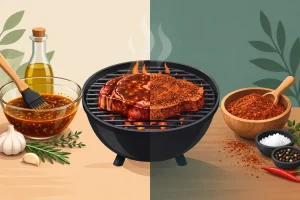
A chicken braai can go from ordinary to legendary with a good marinade – but if you need to avoid gluten, the bottle deserves the same attention as the fire. So, are marinades gluten-free? Some are, some are not, and the difference often sits in a few small-print ingredients rather than the obvious chilli, lemon and garlic.
The good news: gluten-free cooking does not mean settling for flat flavour. It means knowing what to look for before the meat hits the grill, then choosing a marinade that brings the proper sizzle without unwelcome surprises.
Are marinades gluten-free by default?
No. A marinade is a method, not a fixed recipe. It usually combines acid, oil, herbs, spices, salt and a flavour base, but that base can vary wildly. Fresh lemon juice, garlic, olive oil, chilli and herbs are naturally gluten-free. Add a standard soy sauce, malt vinegar or a thickened seasoning blend, however, and the answer changes quickly.
Homemade marinades are often easiest to manage because you control every ingredient. A simple peri-peri-style mix of fresh chilli, garlic, lemon, oil, salt, paprika and herbs can deliver serious flavour with no gluten-containing ingredient in sight. Ready-made marinades can be just as suitable, but only when the label confirms it.
For someone with coeliac disease or a medically diagnosed gluten sensitivity, “probably fine” is not a cooking strategy. Read the pack every time, especially if you are buying a product for the first time or a familiar favourite has changed its recipe.
Where gluten can hide in a marinade
The obvious culprit is soy sauce. Traditional soy sauce is often brewed with wheat, which makes it unsuitable for a gluten-free diet. Tamari can be a useful alternative, but do not assume every tamari is gluten-free either. Check the declaration on that bottle too.
Malt ingredients are another red flag. Malt vinegar, malt extract and malt flavouring are made from barley, a gluten-containing grain. They may turn up in savoury sauces, barbecue-style marinades and rich, smoky glazes where you would not necessarily expect them.
Then there are the supporting players. Stock powders, gravy-style flavourings, yeast extracts, spice rubs and thickening agents can contain gluten or carry a cross-contact warning. A marinade might look like a straightforward blend of oil and spices, but a seasoning mix used for depth can change the picture.
Keep an eye on these ingredients and phrases:
- wheat, barley, rye or malt
- soy sauce without a clear gluten-free statement
- malt vinegar or malt extract
- flour, breadcrumbs or wheat-based thickeners
- “may contain” wording where cross-contact is a concern
Not every unfamiliar ingredient is a problem, and not every vinegar contains gluten. The point is not to panic at the label. It is to find the clear allergen information, understand the source of the flavour and choose with confidence.
“Gluten-free” versus “no gluten ingredients”
These phrases are not always interchangeable. A product labelled gluten-free has generally been assessed against the relevant gluten-free standard in its market. A recipe that simply contains no obvious gluten ingredients may still have been made where wheat is handled, creating a cross-contact risk.
That distinction matters most for people with coeliac disease, who need to avoid even small amounts of gluten. If that is your household, choose products that are explicitly labelled gluten-free where possible, and contact the manufacturer when the label leaves room for doubt. A retailer’s product description or a social post is not a substitute for the pack in your hand.
How to choose a gluten-free marinade with flavour
Start with the front of pack, but finish with the ingredient list and allergen statement. A bold “smoky”, “sticky” or “Asian-style” description tells you what the flavour is aiming for, not whether it suits your diet.
Next, think about what the marinade needs to do. For chicken, lemon, garlic and chilli provide brightness and heat without needing a wheat-based thickener. For lamb, olive oil, oregano, rosemary and red wine vinegar can create a fuller profile. For fish, a lighter mix of citrus, herbs and fresh chilli lets the seafood stay centre stage.
If you are using a sauce as a marinade, check it with the same care. A sauce can be brilliant on the plate yet contain an ingredient that makes it unsuitable for your needs. Conversely, a gluten-free chilli sauce can make a cracking base for a quick marinade when loosened with lemon juice and oil.
At Calisto’s, flavour has been built around the family table since 1992 – fresh chilli, garlic, lemon and Portuguese-inspired fire. Whatever sauce or seasoning you choose, pick your heat level to match the people around the braai. Mild is not a cop-out. Extra Hot is not a personality test. Everyone deserves a plate they can finish happily.
A simple gluten-free marinade formula
You do not need a cupboard full of specialist products to make a safe, punchy marinade. Build one from five parts: an acid, an oil, aromatics, seasoning and heat. Use lemon or lime for acid, olive oil for richness, garlic and herbs for aroma, salt for seasoning, then fresh chilli or a clearly labelled gluten-free chilli sauce for fire.
For roughly 1 kg of chicken, try the juice of one lemon, four tablespoons of olive oil, two crushed garlic cloves, a teaspoon of paprika, a pinch of oregano, salt and chilli to taste. Mix it in a glass or non-reactive bowl, coat the chicken and marinate in the fridge for at least 30 minutes. Two to four hours gives deeper flavour without letting the citrus turn the surface mushy.
For beef or lamb, reduce the citrus slightly and allow more time. These cuts can handle a heartier herb-and-spice profile and a longer rest in the fridge. Fish and prawns are different: keep acidic marinades short, usually 15 to 30 minutes, so the texture stays tender rather than cured.
Keep the gluten-free prep truly safe
A gluten-free marinade can be spoiled by the tools around it. Use a clean bowl, clean tongs and a fresh spoon to taste or stir. Do not place cooked food back onto the plate that held raw marinated meat. If someone at the table has coeliac disease, avoid brushing their food with the same brush used on gluten-containing rolls, sauces or meat.
Be especially alert at a busy braai. Marinades, basting sauces and spice shakers tend to gather around the grill, and people dip, brush and double-dip without thinking. Set aside the gluten-free meat first, use separate utensils and give it its own clearly marked spot. It takes a minute and keeps the good mood intact.
Never reuse raw-meat marinade as a finishing sauce unless you boil it thoroughly first. Better still, reserve a clean portion before it touches the protein. That way, your chicken gets a glossy final brush of flavour and your guests get food that is both safe and properly delicious.
When the answer is not clear
If the label is vague, missing or hard to read, leave it out. This is particularly sensible when cooking for a guest with coeliac disease or a wheat allergy. There will always be another route to flavour: lemon, garlic, herbs, fresh chilli, salt and good oil have carried family meals for generations.
Ask your guest what level of caution they need. Some people avoid gluten by preference, while others must prevent cross-contact as carefully as the ingredient itself. That is not fussiness. It is useful information that helps you cook generously for everyone at the table.
A great marinade should make dinner easier, not make anyone nervous. Read the label, keep the prep clean and let the fire do the rest. Obrigado – now pass the tongs.